

Injury Prevention
Biomechanics is used to study injury mechanisms such as stress fractures or ligament tears, helping to develop preventive strategies such as improving sports shoe design or modifying movement patterns

Biomechanics is used to study injury mechanisms such as stress fractures or ligament tears, helping to develop preventive strategies such as improving sports shoe design or modifying movement patterns

Biomechanics contributes to the design of bone implants (such as artificial hip or knee joints) to ensure their ability to withstand mechanical forces while reducing wear. Interactions between implants and bones are simulated using computer models (Finite Element Analysis). It also improves prosthetic design to provide natural movement and minimize pressure on surrounding tissues.
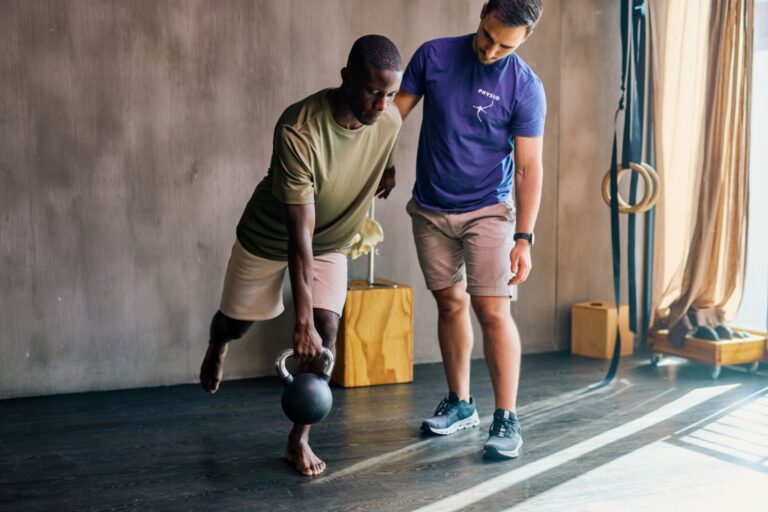
It supports the design of fracture fixation systems (such as plates and screws) to ensure bone stability during healing while withstanding physiological forces. It also guides rehabilitation programs by identifying exercises that promote recovery without harming bones or joints

It helps in evaluating spinal stability and designing fixation systems (such as spinal cages) to treat conditions like herniated discs or scoliosis

Biomechanics helps in understanding the distribution of forces on bones, joints, and soft tissues during movement. For example, gait analysis reveals movement abnormalities that may cause pain or injuries such as arthritis. Motion capture systems and force measurements are used to identify abnormal stresses on the joints.
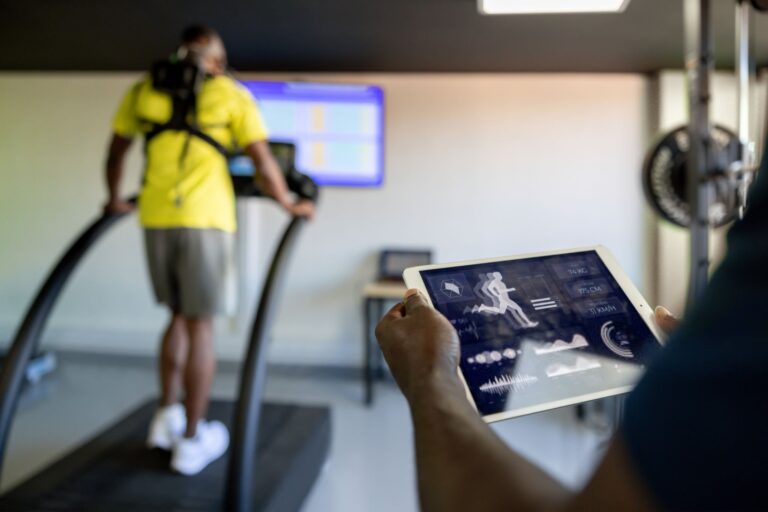
Biomechanics supports research to better understand diseases such as osteoporosis by studying bone density and resistance to forces. It also contributes to the development of new biomaterials that match the natural properties of bones.

Specialists in Biomechanical Analysis